Paper Pulp Molding Machines: Profitable Production Technology—From Waste Paper to Industrial Packaging
Paper Pulp Molding Machines: Profitable Production Technology—From Waste Paper to Industrial Packaging From recycling to high-value-added production As the global demand for sustainable packaging solutions grows, packaging products made from recycled paper are emerging as a key industrial alternative. The push to reduce plastic packaging, the shift toward eco-friendly manufacturing, and the development of a circular economy are driving increased interest in paper pulp molding technologies. Paper pulp molding machines transform waste paper, cardboard, and other suitable cellulose-based fibrous raw materials into packaging products used across various sectors. At Askay Makina, our production technologies offer solutions for a wide range of applications—from egg trays and medical packaging to industrial protective packaging and custom-designed molded paper products. How does a paper pulp molding machine work? Known as "paper pulp molding production lines," these systems process recy
Paper Pulp Molding Machines: Profitable Production Technology—From Waste Paper to Industrial Packaging
From recycling to high-value-added production
As the global demand for sustainable packaging solutions grows, packaging products made from recycled paper are emerging as a key industrial alternative. The push to reduce plastic packaging, the shift toward eco-friendly manufacturing, and the development of a circular economy are driving increased interest in paper pulp molding technologies.
Paper pulp molding machines transform waste paper, cardboard, and other suitable cellulose-based fibrous raw materials into packaging products used across various sectors.
At Askay Makina, our production technologies offer solutions for a wide range of applications—from egg trays and medical packaging to industrial protective packaging and custom-designed molded paper products.
How does a paper pulp molding machine work?
Known as "paper pulp molding production lines," these systems process recyclable raw materials through several stages to create functional packaging products.
The production process generally consists of the following stages:
1. Pulping System
Waste paper and cardboard are broken down with the aid of water to create a homogeneous paper pulp. The density, fiber structure, and quality of the pulp directly influence the durability of the final product.
2. Forming System
The prepared paper pulp is drawn into specially designed molds using a vacuum system. The shape, dimensions, and surface quality of the product are determined at this stage.
3. Transfer and pressing
The shaped products are transported to the next production stage via a transfer system. Depending on the product's requirements, pressing and hot-forming processes may be applied.
4. Drying (Drying Oven System)
Excess moisture is removed from the products using a controlled drying system. Drying temperature, air circulation, and humidity control play a crucial role in product quality.
5. Finishing and packaging
The dried products are inspected, undergo any necessary cutting or trimming, and are prepared for shipment.
What kind of products can be manufactured using pulp molding machines?
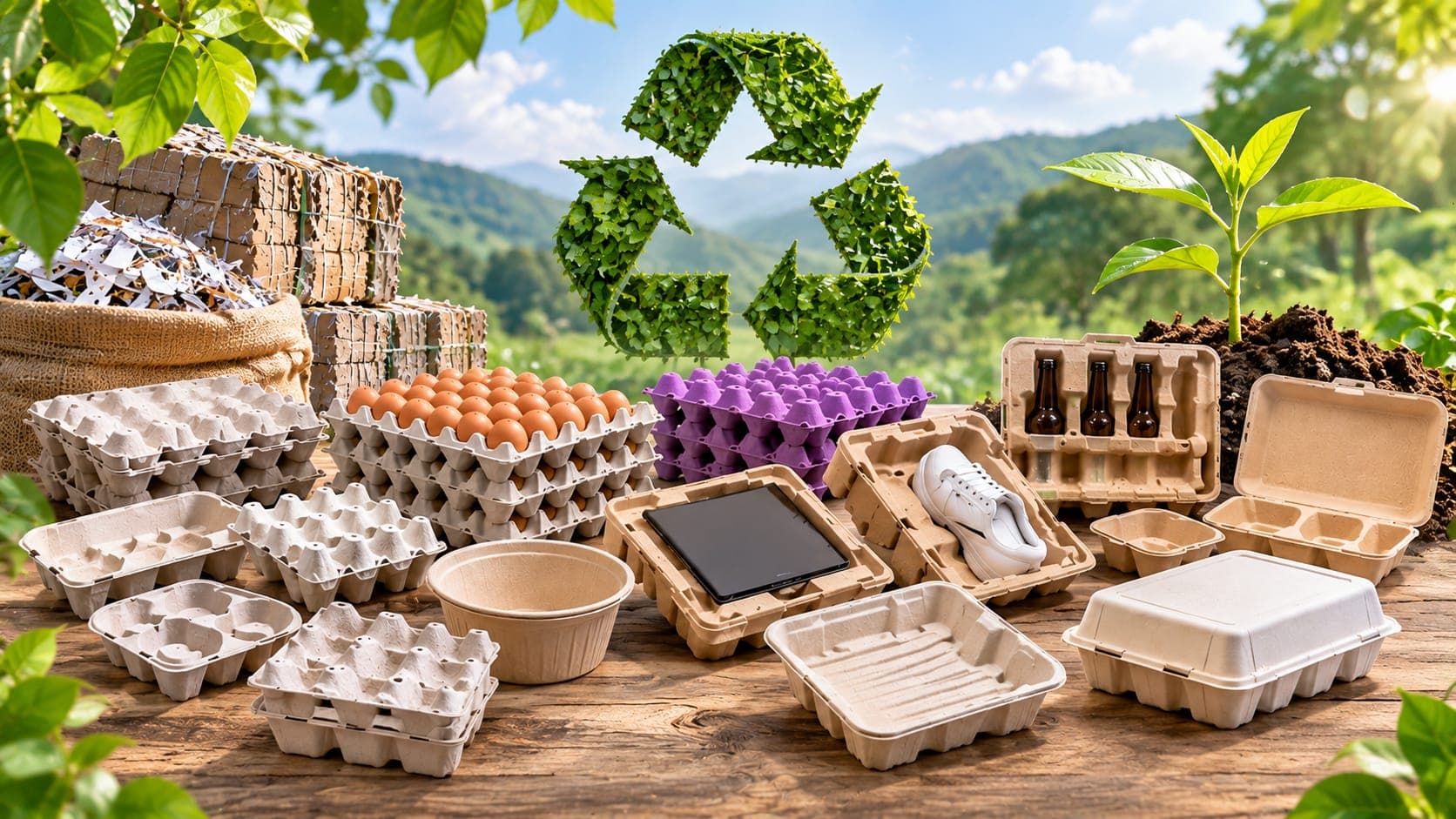
This technology is not limited solely to the production of egg trays. With the appropriate mold design and machine configuration, products for various sectors can be manufactured.
1. Egg tray production
Egg trays represent one of the most common applications of pulp molding technology. Egg packaging can be produced using machines tailored to different cell counts, dimensions, and production capacities.
2. Medical packaging products
Certain single-use pulp-based products used in hospitals and healthcare facilities can be manufactured using specialized molds. Examples in this category include emesis basins (kidney trays) and similar medical packaging solutions.
3. Industrial protective packaging
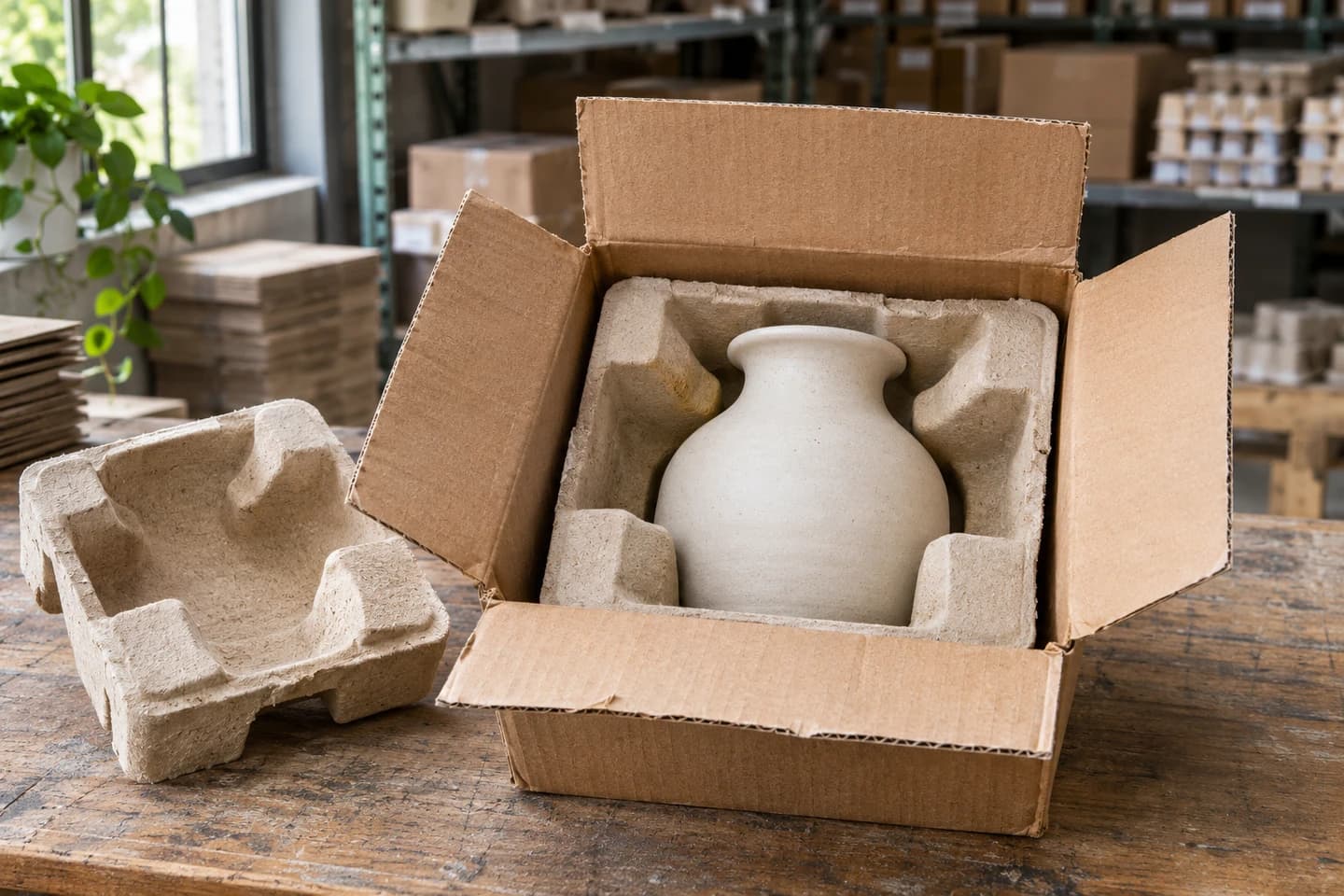
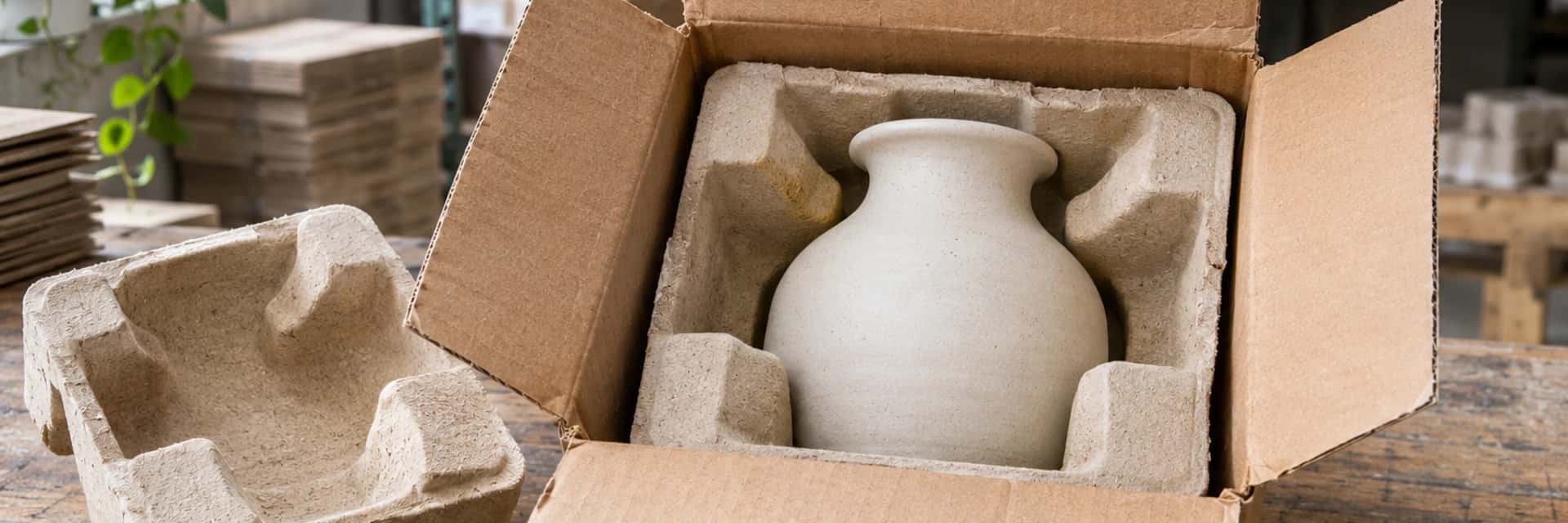
Shock-absorbent and protective molded pulp packaging can be produced for electronic devices, home appliance parts, automotive components, ceramics, and other delicate items. 4. Custom-designed molded products
Project-specific molds can be developed for items such as footwear packaging, toy packaging, protective inserts for porcelain, and various other industrial applications.
How to choose the right egg tray machine?
When planning an investment in an egg tray making machine, looking solely at the machine's hourly capacity is not sufficient.
The following criteria should be evaluated before making an investment:
- Daily and hourly production capacity
- Weight and dimensions of the product to be manufactured
- Availability and sourcing of raw materials
- Electricity and energy consumption
- Drying system and fuel costs
- Labor requirements
- Ease of mold changing and maintenance
- Factory floor space and installation requirements
- Availability of spare parts and technical support
Selecting the right machine is one of the most critical factors in determining the long-term efficiency of an investment.
Askay Makina production technologies
Askay Makina develops pulp molding machinery tailored to various production capacities and specific product requirements.
Our production solutions include:
- AS1000: A machine solution designed for entry-level investments with moderate production capacity.
- AS2000: A production system featuring a dual-surface, four-lane operational layout.
- AS4000: A rotary system with a production capacity of 4,000 egg trays per hour.
- AS8000: Advanced machine technology developed for high-capacity industrial production.
Machine configuration, mold design, drying systems, and auxiliary equipment are all evaluated based on the specific requirements of the customer's project. Recycling, sustainability, and new investment opportunities
One of the most significant advantages of pulp molding technology is the ability to repurpose waste paper and cardboard as raw materials for production.
In this way:
- Recyclable raw materials can be converted into economic value.
- Alternatives to plastic-based packaging can be developed.
- Local waste paper resources can be utilized in production.
- New production areas catering to various sectors can be created.
- The sustainability of businesses...