
Engineering thinking, packaging shaped around your product
Design starts with understanding the product
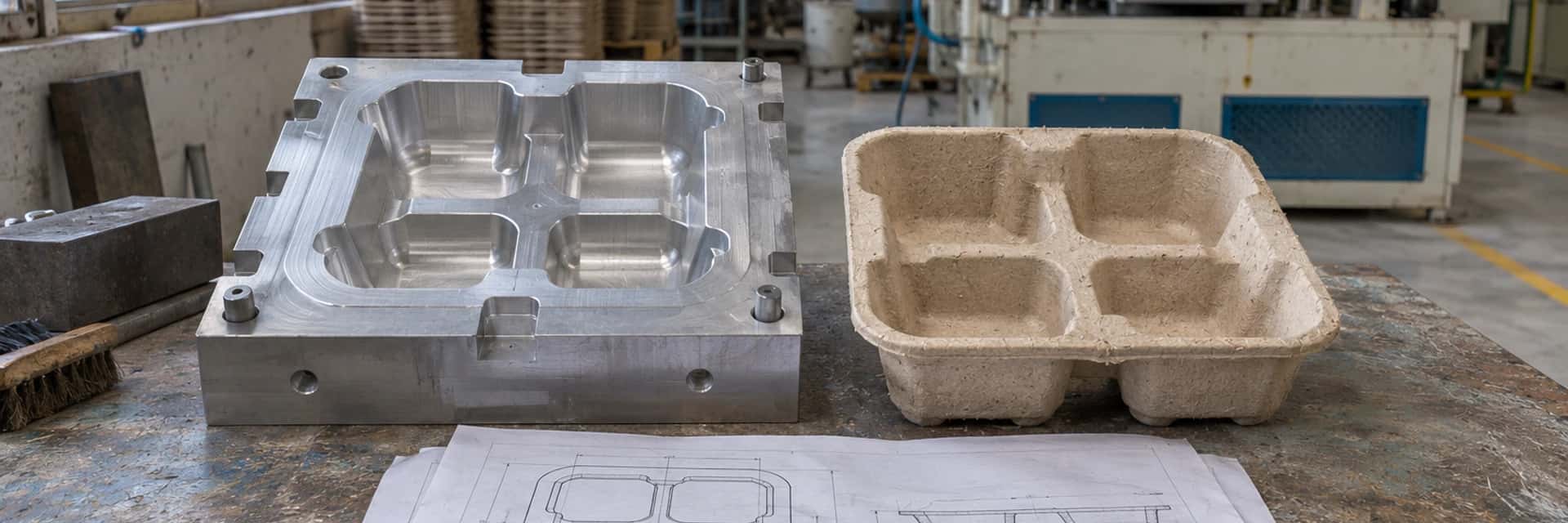
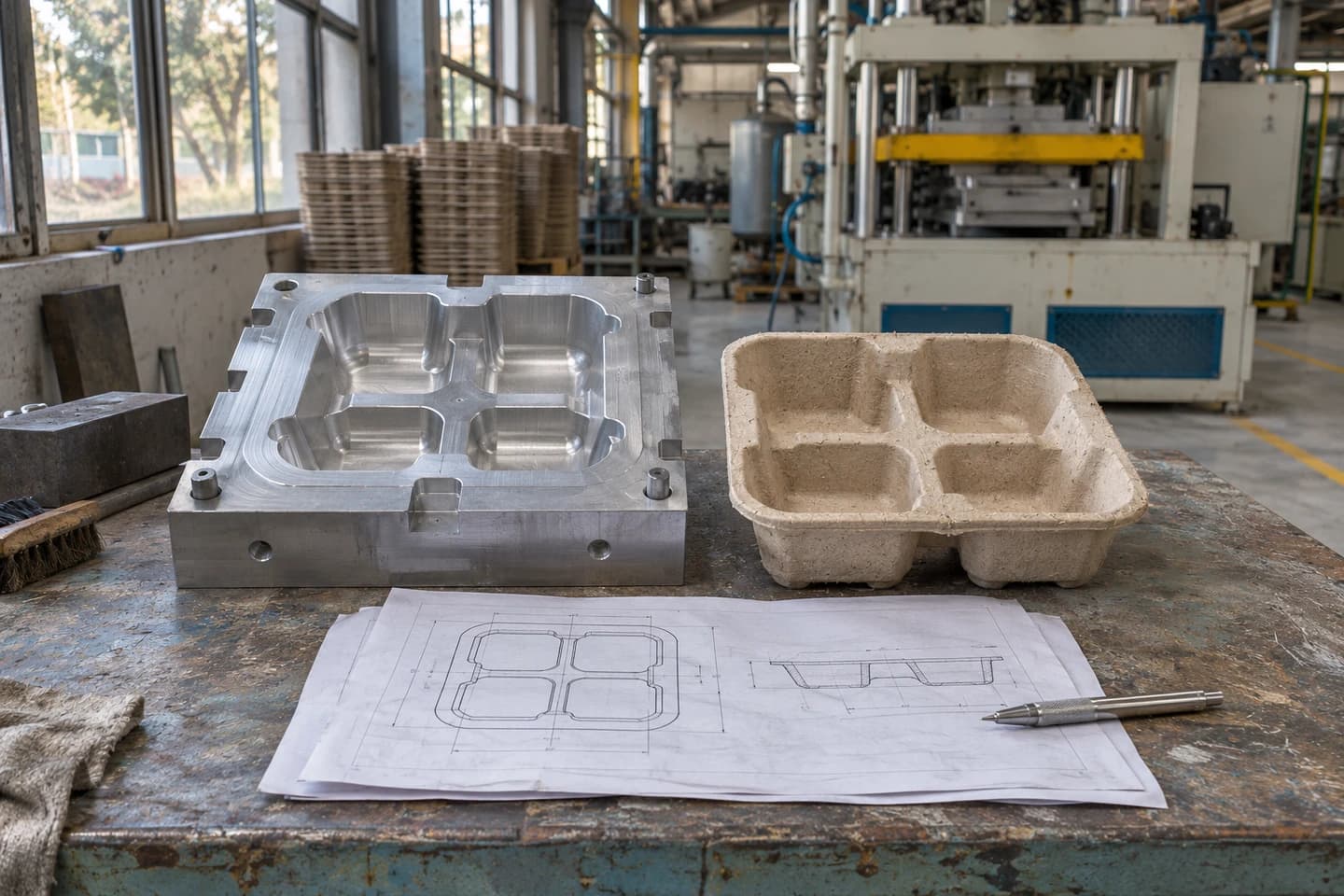
Askay Global approaches molded pulp packaging through the shape, intended use and protection needs of each product. Appearance matters, but so do product retention, support during transport and compatibility with the packing process. The product itself is therefore the starting point for every design discussion.
From requirements to a practical solution
Dimensions, weight, delicate areas and handling conditions provide the foundation for a packaging project. Product samples, technical drawings or an existing pack can help clarify expectations. Fit, positioning and ease of use can then be considered during sample and prototype reviews.
Considering materials and use together
Paper-based molded fiber can be considered for carriers, separators and protective inserts across different applications. Material choices should account for strength, product-contact conditions and what happens after use, alongside presentation. Each application needs to be assessed against its own requirements.
Projects built on clear communication
From Denizli, our aim is to turn your packaging needs into a clear project brief. Whether you are exploring packaging for a new product or reviewing an existing solution, share your product details and expectations with our team.
Packaging performance extends beyond its appearance on a shelf. The way a product enters the packing line, the space it occupies in storage and the conditions it encounters during delivery all influence the design. We therefore consider the expectations of procurement, production and logistics teams together. The aim is a practical packaging approach that supports everyday handling while remaining aligned with the needs of the product.
Dimensions, product samples and use scenarios provide a useful starting point for informed decisions. Sample reviews examine fit, support areas and stacking arrangements, while the scope of testing is defined for the intended application. As material requirements, quantities and delivery plans become clearer, technical and commercial considerations can be evaluated together rather than as separate decisions.