
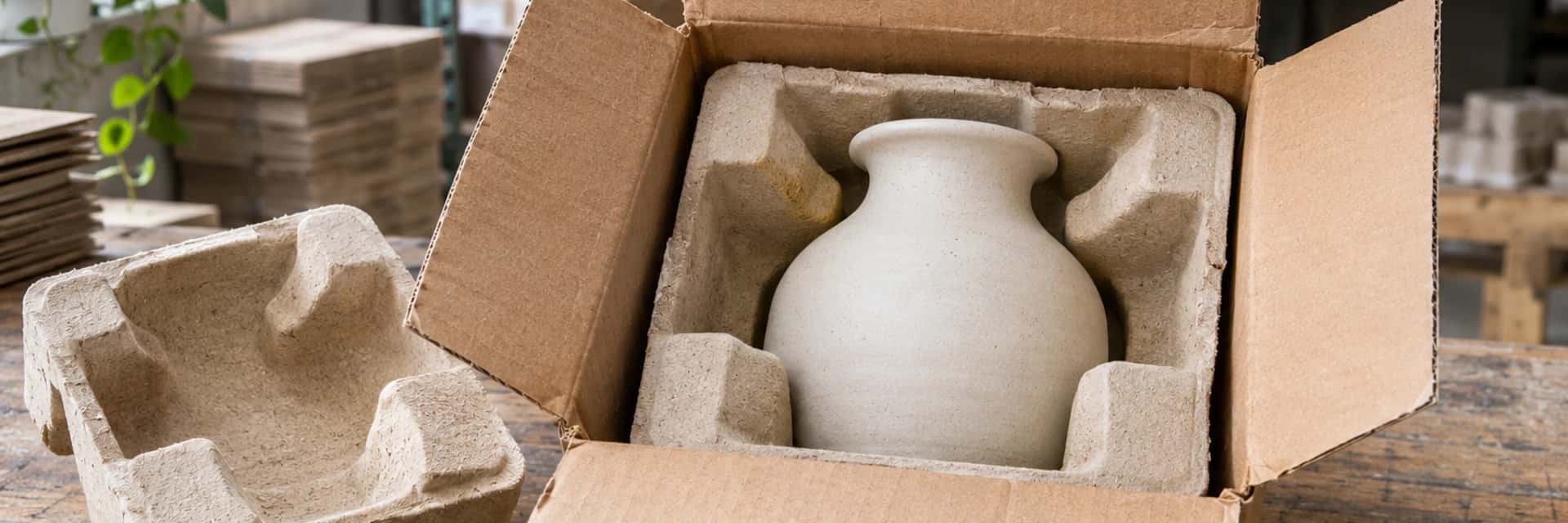
What to Consider When Choosing Molded Pulp Packaging
Molded pulp packaging is made by shaping paper-based fibers into a defined geometry.
Start with the product
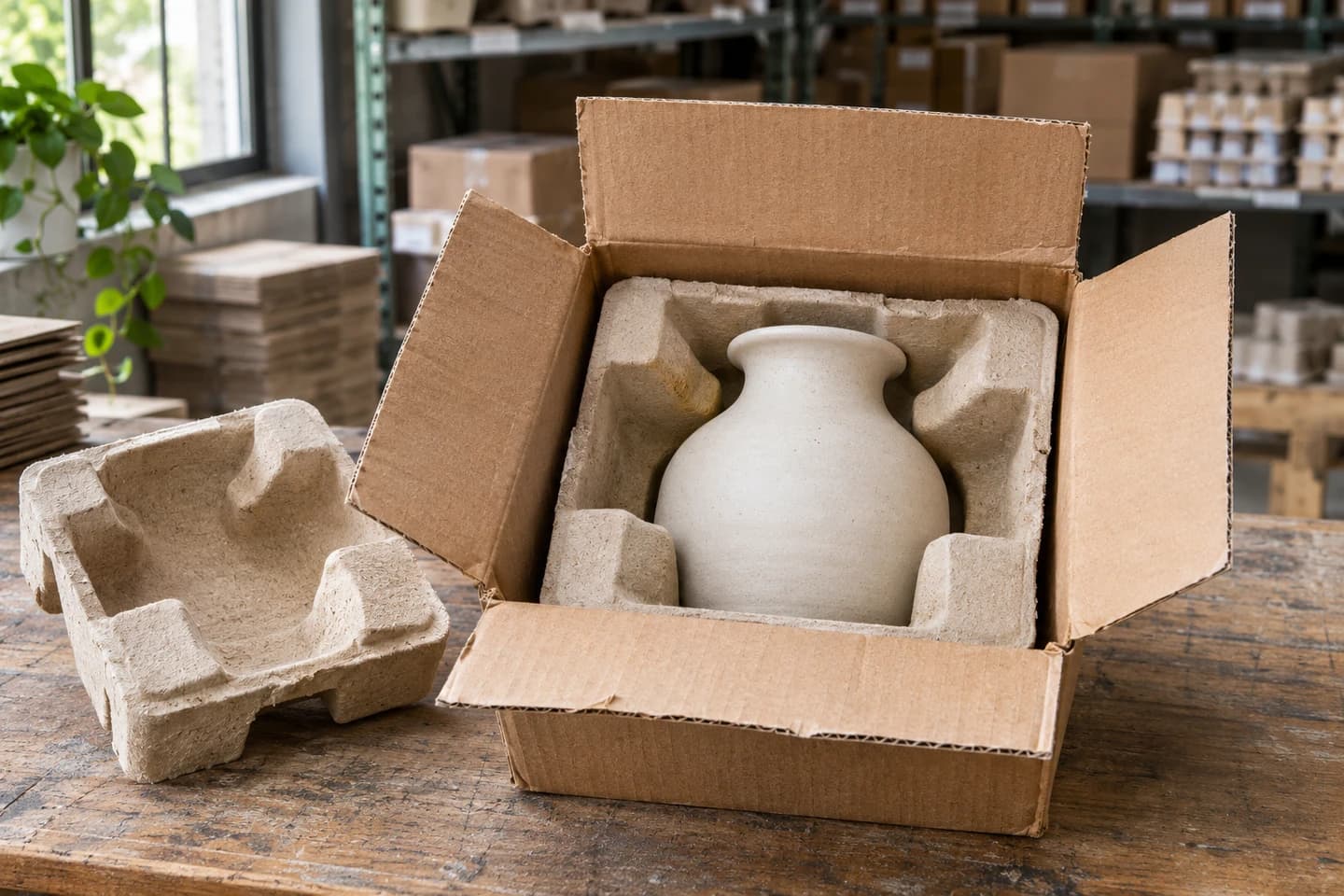
Molded pulp packaging is made by shaping paper-based fibers into a defined geometry. This material family can serve applications ranging from drink carriers to industrial protection, but one package cannot suit every product. Start by identifying weight, dimensions, fragile areas and surface characteristics. These details provide a basis for assessing actual requirements instead of choosing packaging by appearance alone.
Consider the entire journey
A close fit is only one part of the design. Opening the box, placing the product, stacking it in storage and moving it through distribution should be considered together. Excess space may allow movement, while an overly tight fit can make packing difficult. Reviewing support points and tolerances with a physical sample helps find a useful balance between protection and handling.
Match material to the environment
Moisture, temperature, contact duration and surface expectations may influence material selection. Food contact and other specialized applications require a review of the specific product documentation and intended conditions. A broad environmental statement does not establish suitability for every application. Recycling and composting options also depend on the material composition and the collection or treatment infrastructure available locally.
Use samples to make informed decisions
Technical drawings and three-dimensional models are valuable tools, while physical samples reveal practical details. Packing teams can assess loading time, the position of the product inside the box and how empty inserts stack. Where transport testing is needed, review the packaging together with the product and outer carton. The test programme should reflect the distribution conditions that the complete package is expected to encounter.
Prepare a clear quotation brief
Providing dimensions, photographs, estimated quantities and delivery destination helps a supplier assess the project more efficiently. Explain the problems with the current packaging to define the improvement you want. Consider tooling, samples, storage and shipping alongside unit price. A sound packaging decision brings product protection and operational requirements into the same discussion.